
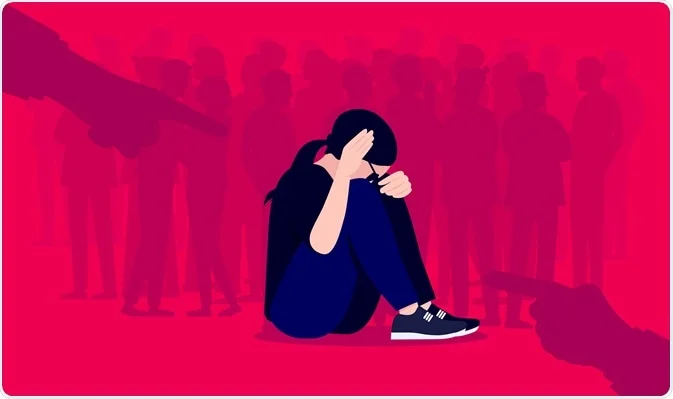
Social situations are a normal part of everyday life. Meeting new people, speaking in front of a group, attending a gathering, or starting a conversation can make almost anyone feel nervous. But for some people, the fear of being judged, embarrassed, or rejected becomes so strong that they begin avoiding social situations altogether.
This may be a sign of Social Anxiety Disorder (SAD), a mental health condition that can affect relationships, education, work, and everyday activities. The good news is that social anxiety is treatable, and people can learn effective ways to manage it.
What Is Social Anxiety?
Social anxiety is more than ordinary shyness. A person with social anxiety may experience intense fear or discomfort in situations where they feel they are being watched, evaluated, or judged by others.
They may worry about saying something wrong, looking nervous, making a mistake, or embarrassing themselves. Even after a social interaction has ended, they may repeatedly think about what happened and worry about how others perceived them.
Social anxiety can occur in situations such as:
- Meeting unfamiliar people
- Speaking in public
- Answering questions in class or at work
- Eating or drinking around others
- Attending parties or social events
- Talking to someone in authority
- Starting conversations
- Making phone calls
- Being the center of attention
Symptoms of Social Anxiety
Social anxiety can affect a person’s thoughts, emotions, behavior, and physical wellbeing.
Emotional and Mental Symptoms
Common symptoms may include:
- Intense fear of being judged or embarrassed
- Excessive worry before social events
- Fear of making mistakes in front of others
- Difficulty starting or maintaining conversations
- Constantly thinking about how others perceive you
- Expecting negative outcomes from social interactions
- Feeling extremely self-conscious
- Avoiding situations that cause anxiety
Physical Symptoms
Social anxiety can also cause physical reactions, including:
- Blushing
- Sweating
- Trembling
- Fast heartbeat
- Nausea or stomach discomfort
- Dizziness
- Muscle tension
- Difficulty speaking
- Feeling short of breath
These symptoms can make social situations feel even more frightening, which may create a cycle of fear and avoidance.
What Causes Social Anxiety?
There is no single cause of social anxiety disorder. It can develop through a combination of biological, psychological, and environmental factors.
1. Genetics
A family history of anxiety disorders may increase a person’s likelihood of experiencing social anxiety.
2. Personality and Temperament
People who are naturally more cautious, sensitive to criticism, or uncomfortable with unfamiliar situations may be more vulnerable to social anxiety.
3. Negative Experiences
Experiences such as bullying, humiliation, rejection, or repeated criticism can contribute to fears about future social situations.
4. Stressful Life Events
Major changes, relationship difficulties, academic pressure, or workplace stress may contribute to or worsen social anxiety.
5. Learned Fear
Sometimes, a person may begin avoiding situations after experiencing an uncomfortable social event. Avoidance can provide temporary relief but may make the fear stronger over time.
Social Anxiety vs. Shyness
Shyness and social anxiety are not necessarily the same thing.
Someone who is shy may feel nervous around unfamiliar people but can still participate in social situations when necessary. Social anxiety can be much more intense and may interfere with important parts of life.
For example, a shy student might feel nervous before presenting a project but still give the presentation. Someone experiencing social anxiety might avoid presenting altogether because the fear feels overwhelming.
The important difference is how intense the fear is and how much it affects daily functioning.
How Is Social Anxiety Diagnosed?
Social anxiety disorder should be diagnosed by a qualified mental health professional.
During an assessment, a professional may discuss your symptoms, how long they have been present, situations that trigger them, and how they affect your everyday life.
Self-diagnosis is not recommended because symptoms of social anxiety can overlap with other mental health or physical conditions.
Treatment for Social Anxiety
Social anxiety is treatable. The most appropriate treatment depends on the person’s symptoms and individual circumstances.
1. Cognitive Behavioral Therapy
Cognitive Behavioral Therapy (CBT) is a commonly used treatment for social anxiety. It can help people identify unhelpful thoughts and gradually develop healthier ways of responding to social situations.
CBT may also include gradual exposure to feared situations, allowing a person to build confidence over time.
2. Medication
In some cases, a healthcare professional may recommend medication. Certain medications, including some antidepressants, may be used to manage social anxiety.
Medication should only be taken under professional medical guidance.
3. Lifestyle and Self-Care
Healthy habits can support overall anxiety management. These may include:
- Getting enough sleep
- Exercising regularly
- Practicing breathing or relaxation techniques
- Limiting excessive caffeine
- Staying connected with supportive people
- Maintaining a regular daily routine
Self-care can be helpful, but significant or persistent social anxiety may require professional treatment.
How to Support Someone With Social Anxiety
If someone you know experiences social anxiety, avoid forcing them into uncomfortable situations or telling them to “just be confident.”
Instead:
- Listen without judging
- Be patient
- Encourage small steps
- Avoid embarrassing them in front of others
- Offer support when they ask for it
- Encourage professional help when anxiety is interfering with their life
A supportive environment can make it easier for someone to gradually build confidence.
When Should You Seek Help?
Consider speaking with a mental health professional if fear of social situations is preventing you from attending school, working, maintaining relationships, participating in activities, or doing things that are important to you.
You do not have to wait until social anxiety becomes severe before seeking help. Getting support early can help you understand your anxiety and learn effective coping strategies.
Final Thoughts
Social anxiety is not simply being shy or quiet. For some people, the fear of judgment and embarrassment can become powerful enough to affect everyday life.
However, social anxiety can be managed and treated. Therapy, professional support, healthy habits, and medication when appropriate can help people become more comfortable with social situations and improve their quality of life.
You do not need to become the most outgoing person in the room. The goal is to feel more comfortable being yourself, even when anxiety is present.
Disclaimer: This article is for educational purposes only and is not a substitute for professional diagnosis or treatment. If anxiety is significantly affecting your daily life, consider speaking with a qualified mental health professional.
“Behind the silence, there may be a mind full of worries and fears.