
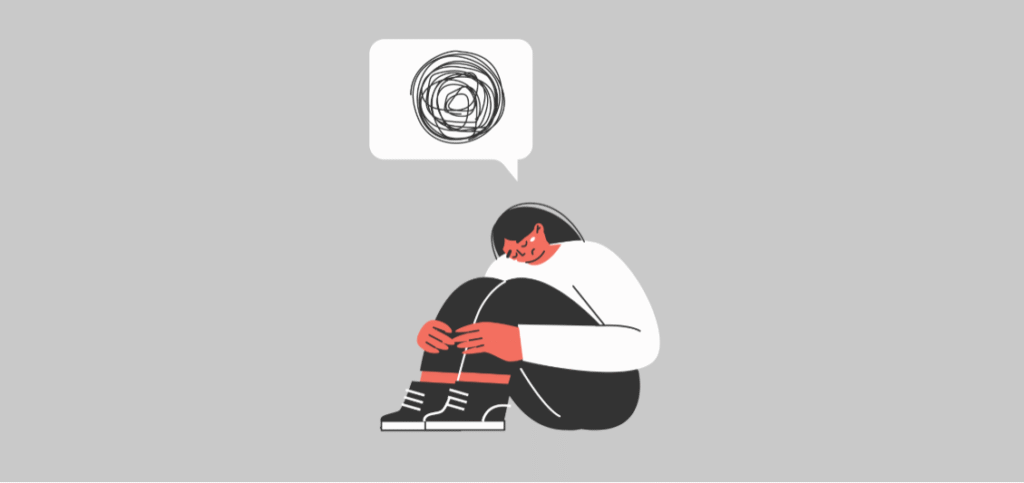
Anxiety is a natural human emotion that most people experience at different times in life. Feeling nervous before an interview, worrying about an important decision, or feeling uneasy about an uncertain situation is a normal response. Anxiety can sometimes help us stay alert and prepare for challenges.
However, when worry or fear becomes frequent, overwhelming, or difficult to control, it may start affecting everyday life. Understanding what anxiety means, why it happens, and when it may require professional support can help people take better care of their mental wellbeing.
What Is Anxiety?
Anxiety is a feeling of fear, worry, nervousness, or uneasiness about something that may happen or about a situation that feels uncertain.
It is closely connected to the body’s natural stress response. When the brain senses a possible threat, the body can become more alert. This may cause changes such as a faster heartbeat, increased muscle tension, sweating, or faster breathing.
In simple words, anxiety is the mind and body’s response to perceived danger, uncertainty, or stress.
Why Does Anxiety Happen?
There is no single reason why someone experiences anxiety. It can develop because of a combination of emotional, biological, psychological, and environmental factors.
1. Stress and Pressure
Work deadlines, exams, financial concerns, relationship difficulties, and major life changes can all increase stress. When stress continues for a long time, feelings of anxiety may become more frequent.
2. Uncertainty About the Future
People naturally think about what might happen next. When the future feels unpredictable, the mind may repeatedly imagine negative possibilities. This can create a cycle of worry.
3. Difficult Life Experiences
Experiences such as loss, conflict, bullying, trauma, or major changes can influence how a person responds to future situations. Some people may become more alert to possible threats after difficult experiences.
4. Genetics and Biology
A person’s genes and biological characteristics can influence their vulnerability to anxiety. Family history may also play a role. However, having a family history does not mean someone will definitely develop an anxiety disorder.
5. Overthinking
Repeatedly analyzing situations, imagining worst-case scenarios, or constantly seeking reassurance can sometimes make anxious feelings stronger. The more attention the mind gives to a perceived threat, the more real or immediate it may feel.
What Does Anxiety Feel Like?
Anxiety can affect both the mind and body.
Some common emotional symptoms include:
- Excessive worrying
- Feeling restless or tense
- Difficulty relaxing
- Fear of something going wrong
- Difficulty concentrating
- Irritability
- Feeling overwhelmed
Physical symptoms may include:
- Increased heartbeat
- Sweating
- Shaking
- Muscle tension
- Headaches
- Stomach discomfort
- Shortness of breath
- Difficulty sleeping
Not everyone experiences anxiety in the same way. Some people mainly notice worrying thoughts, while others experience stronger physical symptoms.
Is Anxiety Always Bad?
No. Anxiety is not always negative.
A small amount of anxiety can help you prepare for an important event. For example, feeling nervous before an examination may encourage you to study, or feeling alert before an important presentation may help you prepare carefully.
The concern arises when anxiety becomes too intense, happens too often, or interferes with everyday activities.
For example, avoiding college because of fear, constantly worrying about ordinary situations, or being unable to sleep because of persistent worry may indicate that additional support could be helpful.
Anxiety vs. Anxiety Disorder
Experiencing anxiety from time to time does not automatically mean that someone has an anxiety disorder.
An anxiety disorder involves anxiety or fear that is persistent or excessive and causes significant distress or problems in daily life. Different anxiety disorders include generalized anxiety disorder, panic disorder, social anxiety disorder, and specific phobias.
Only a qualified mental health or healthcare professional can properly assess and diagnose an anxiety disorder.
How Can Anxiety Be Managed?
Managing anxiety often involves understanding what triggers it and developing healthier ways to respond.
Some helpful approaches include:
- Maintaining a regular sleep routine
- Staying physically active
- Practicing slow breathing or relaxation exercises
- Taking breaks when feeling overwhelmed
- Limiting excessive caffeine
- Talking to someone you trust
- Keeping a healthy daily routine
- Practicing mindfulness
- Seeking professional support when anxiety becomes difficult to manage
These strategies can support wellbeing, but they may not be enough for everyone. If anxiety is significantly affecting daily life, professional help can provide more personalized support.
When Should You Seek Help?
Consider talking to a mental health professional if your anxiety:
- Feels difficult to control
- Happens very frequently
- Interferes with work, studies, relationships, or sleep
- Causes significant distress
- Leads you to avoid important activities or situations
Seeking help does not mean that you are weak. Understanding your emotions and asking for support can be an important part of taking care of your mental health.
Final Thoughts
Anxiety is a normal emotional response to stress, uncertainty, and perceived danger. It can sometimes help us stay prepared, but persistent or overwhelming anxiety can affect our quality of life.
Understanding what anxiety means and why it happens is an important first step toward managing it. If anxiety begins to interfere with everyday life, speaking with a qualified mental health professional can help you understand your experiences and explore appropriate support.
You don’t have to understand everything alone. Sometimes, the first step toward feeling better is simply recognizing what you’re experiencing.
Disclaimer: This article is for educational purposes only and should not be considered a substitute for professional medical or mental health advice.
“Anxiety may feel overwhelming, but you don’t have to face it alone.