
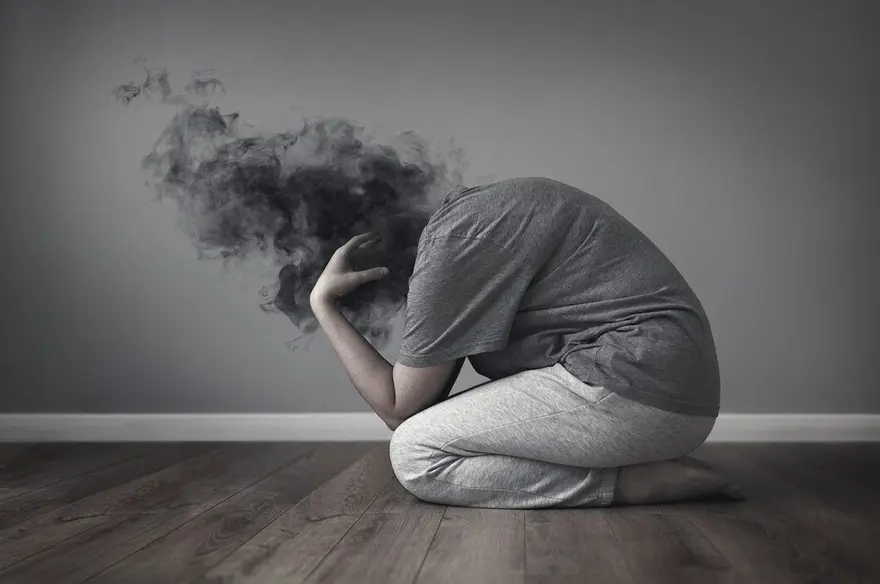
Anxiety can appear suddenly and make an ordinary moment feel overwhelming. Your heart may start beating faster, your thoughts may race, and you may feel an intense need to escape or regain control. When anxiety rises sharply over a short period, people often describe the experience as an anxiety attack.
Although anxiety attacks can feel frightening, understanding what is happening can make the experience easier to manage. Learning about common symptoms, possible triggers, and healthy coping strategies can help you respond with greater confidence.
What Is an Anxiety Attack?
An anxiety attack is a sudden or intense increase in anxiety that can happen when a person feels overwhelmed, threatened, or extremely worried.
Unlike a panic attack, “anxiety attack” is not a formal clinical diagnosis. People commonly use the term to describe a period of intense anxiety. Anxiety may build gradually in response to a specific worry or stressful situation.
A panic attack, on the other hand, is a recognized clinical phenomenon involving a sudden surge of intense fear or discomfort, often accompanied by strong physical symptoms.
Understanding this difference is useful because similar symptoms can have different causes and may require different forms of support.
Common Symptoms of an Anxiety Attack
An anxiety attack can affect your thoughts, emotions, and body at the same time.
Emotional Symptoms
You may experience:
- Intense worry
- Feeling overwhelmed
- Fear that something will go wrong
- Difficulty calming your thoughts
- Irritability
- Feeling restless or unable to relax
- Difficulty concentrating
- A strong desire to leave a stressful situation
Physical Symptoms
Anxiety can also trigger physical reactions such as:
- Faster heartbeat
- Sweating
- Shaking or trembling
- Muscle tension
- Headache
- Dizziness
- Nausea or stomach discomfort
- Feeling short of breath
- Chest discomfort
- Difficulty sleeping
Not everyone experiences the same symptoms. The intensity can also vary from one episode to another.
What Causes an Anxiety Attack?
There is usually no single cause. An intense anxiety response can develop because of several factors.
1. Stress
Long periods of stress from work, education, relationships, finances, or personal responsibilities can increase anxiety.
2. Fear and Worry
Constantly thinking about possible problems or negative outcomes can keep the body’s stress response active.
3. Difficult Life Experiences
Major changes, loss, conflict, traumatic experiences, or other emotionally challenging events may contribute to increased anxiety.
4. Lack of Sleep
Poor or irregular sleep can make it harder to regulate emotions and cope with everyday stress.
5. Caffeine and Stimulants
Large amounts of caffeine can cause sensations such as a racing heart or restlessness, which may make anxiety feel stronger in some people.
6. Avoidance
Avoiding situations that cause anxiety may provide short-term relief, but it can sometimes reinforce fear over time.
Anxiety Attack vs. Panic Attack
These terms are often confused.
An anxiety attack is commonly used to describe intense anxiety that may build in response to a particular concern or stressful situation. It is not an official psychiatric diagnosis.
A panic attack is a sudden episode of intense fear or discomfort that can occur unexpectedly or in response to a trigger. It may include symptoms such as a racing heart, sweating, trembling, dizziness, chest discomfort, or a feeling of losing control.
Because symptoms can overlap with other medical conditions, especially when symptoms are new, severe, or unusual, professional evaluation may be important.
What to Do During an Anxiety Attack
When anxiety becomes intense, trying to eliminate every anxious thought immediately can sometimes make you feel more frustrated. Instead, focus on helping your body and mind settle gradually.
1. Slow Down Your Breathing
Try taking slow, comfortable breaths rather than taking very rapid breaths.
You can gently breathe in and then slowly breathe out. Repeat this for several cycles while paying attention to the sensation of breathing.
2. Ground Yourself
Bring your attention back to the present moment.
Try noticing:
- Five things you can see
- Four things you can physically feel
- Three things you can hear
- Two things you can smell
- One thing you can taste
This can help shift attention away from racing thoughts.
3. Remind Yourself That Anxiety Can Pass
Try telling yourself:
“I am experiencing anxiety right now. I can take this one moment at a time.”
The goal is not to fight the feeling but to respond to it calmly.
4. Move to a Comfortable Environment
If possible, sit somewhere quiet and comfortable. Loosen anything that feels restrictive and give yourself a few minutes without unnecessary stimulation.
5. Avoid Excessive Caffeine
If you regularly experience anxiety, consider limiting excessive caffeine and notice whether your symptoms improve.
6. Talk to Someone You Trust
You don’t have to handle difficult moments completely alone. Calling or speaking with a trusted friend, family member, counselor, or mental health professional can provide emotional support.
How to Prevent Frequent Anxiety Attacks
If intense anxiety happens repeatedly, look beyond the individual episode and consider your overall routine.
Maintain a Consistent Sleep Routine
Aim for a regular sleep and wake schedule. Poor sleep can make stress feel harder to manage.
Exercise Regularly
Physical activity can support overall mental wellbeing and may help reduce stress.
Practice Relaxation Techniques
Mindfulness, meditation, gentle stretching, and breathing exercises can become useful tools for managing stress.
Identify Your Triggers
Keep a simple record of when anxiety occurs. You may notice connections with particular situations, thoughts, environments, or lifestyle habits.
Stay Connected
Healthy relationships and supportive social connections can make stressful periods easier to manage.
When Should You Seek Professional Help?
Occasional anxiety is part of normal life. However, consider talking with a qualified mental health professional if:
- Anxiety happens frequently
- You are avoiding important activities because of fear
- Anxiety interferes with work, studies, relationships, or daily life
- You constantly worry about having another episode
- You are struggling to manage symptoms on your own
- Anxiety is affecting your sleep or concentration
A mental health professional can help identify what may be contributing to your anxiety and recommend appropriate treatment or coping strategies.
Can Anxiety Attacks Be Treated?
Yes. When anxiety becomes persistent or significantly affects daily life, professional treatment can help.
Depending on the person’s needs, treatment may include psychotherapy, such as Cognitive Behavioral Therapy (CBT), lifestyle changes, and sometimes medication prescribed by an appropriate healthcare professional.
Treatment is not the same for everyone. A qualified professional can help determine the most suitable approach.
When Physical Symptoms Need Medical Attention
Some anxiety symptoms can resemble symptoms of physical health problems. For example, chest pain, severe breathing difficulty, fainting, or other unusual or severe symptoms should not automatically be assumed to be anxiety.
If you are experiencing new, severe, or concerning physical symptoms, seek appropriate medical evaluation.
Final Thoughts
An anxiety attack can feel powerful, but the experience does not define you. Understanding your symptoms, recognizing possible triggers, and learning practical coping techniques can help you feel more prepared when anxiety appears.
If anxiety is becoming a regular part of your life or interfering with your everyday activities, you do not have to manage it alone. Speaking with a qualified mental health professional can help you understand what is happening and find appropriate support.
Taking care of your mental health is not a weakness. Asking for help is a healthy step toward feeling better.
Disclaimer: This article is intended for general educational purposes and does not replace professional medical or mental health advice, diagnosis, or treatment.
“An anxiety attack may shake you, but it doesn’t define you.With the right therapy and support, healing is possible.”