
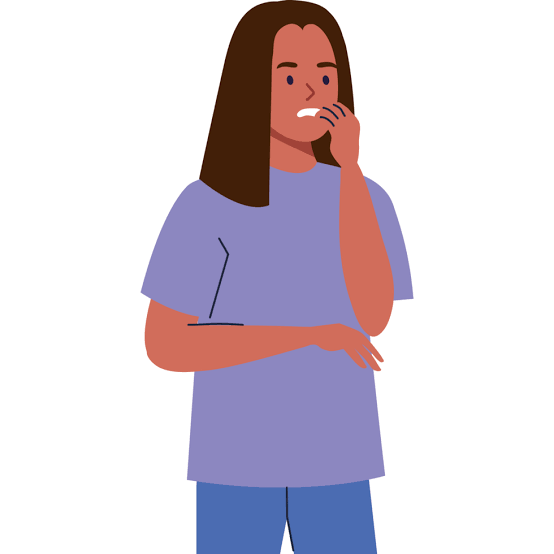
Fear is a natural human emotion. It helps us recognize danger and encourages us to protect ourselves. However, sometimes fear can become much stronger than the actual threat. When an intense and persistent fear is connected to a particular object, situation, animal, activity, or social circumstance, it may be a phobia.
A phobia is more than simply disliking something or feeling nervous about it. For some people, the fear can become so intense that they begin avoiding situations that remind them of what they fear. Over time, this avoidance may affect relationships, education, work, travel, social activities, or everyday life.
Understanding what a phobia means can be the first step toward understanding your own reactions and considering appropriate professional support.
“Fear may tell you to step back, but healing can teach you that you have choices.”
What Does Phobia Mean?
A phobia is an intense and persistent fear or anxiety related to a particular object or situation. The fear may be disproportionate to the actual level of danger involved.
For example, someone with a fear of flying may understand intellectually that flying is generally safe, yet still experience overwhelming anxiety when thinking about getting on an airplane.
The person may know that their fear feels stronger than the situation requires, but knowing this does not necessarily make the fear disappear.
Phobia vs Normal Fear
Fear and phobia are not the same.
Normal fear usually occurs when there is a realistic threat or challenging situation. For example, feeling frightened when facing an immediate danger is a natural response.
A phobia, on the other hand, can cause an intense response to something that may pose little or no actual danger.
A person may experience:
- Strong anxiety
- Rapid heartbeat
- Sweating
- Shaking
- Shortness of breath
- Feeling overwhelmed
- A strong desire to escape
- Avoidance of the feared situation
How Can Phobias Affect Daily Life?
A phobia does not always affect someone every day. However, it can become a significant problem when the feared situation is difficult to avoid.
For example, someone who fears dogs may change their walking route to avoid seeing dogs. Someone afraid of elevators may avoid certain buildings. Someone with a strong fear of social situations may avoid gatherings or opportunities that involve meeting people.
Repeated avoidance can sometimes strengthen fear because the person never gets an opportunity to learn that they may be able to cope with the situation.
Why Do Phobias Develop?
There is no single explanation for every phobia.
Possible contributing factors may include:
- Difficult or frightening experiences
- Learning fear from another person
- Childhood experiences
- Family or environmental influences
- Increased sensitivity to anxiety
- Traumatic experiences
- Repeated exposure to frightening information
Sometimes, a person may not remember exactly when their fear began.
Can Phobias Be Overcome?
Yes, phobias can be treated and managed.
Mental health professionals may use evidence-based approaches to help people understand their fear and gradually develop healthier responses.
Depending on the individual, support may involve:
- Cognitive behavioural approaches
- Gradual exposure-based techniques
- Anxiety-management strategies
- Relaxation and grounding techniques
- Identifying unhelpful thoughts
- Developing coping skills
The pace of treatment should be appropriate for the individual. A person should not be forced into a frightening situation without appropriate professional guidance.
When Should You Seek Counselling?
Consider speaking with a mental health professional if your fear:
- Is difficult to control
- Causes significant distress
- Leads to frequent avoidance
- Interferes with work or studies
- Affects relationships
- Prevents you from participating in everyday activities
Online counselling can offer a convenient and private way to discuss your concerns with a qualified mental health professional.
Having a phobia does not mean that you are weak or incapable. Fear is a human experience, and with appropriate support, people can learn healthier ways to respond to it.
“You don’t have to eliminate fear overnight. Sometimes, progress begins with understanding it.”
The graphics and sound effects on this platform are top notch. It makes the whole experience so much more immersive. Love using vnnohu95.
The installation was a breeze and the login process is secure. I love how everything is just a click away with 93jililoginappapk
I’ve been playing here for a few weeks now and the experience is top notch. The payouts are fast and the interface is super smooth. Definitely check out br345vip if you want a reliable spot.
The app version is way better than the browser. It is so convenient to play on the go. Just use 8k8casinoapplogin to get started.
I never thought I would find such a reliable spot until I discovered mrluck88login last month. The withdrawal times are genuinely impressive and the game fairness is clearly top notch. Their team goes out of their way to make sure every user has a hassle free journey. You will thank me later for this recommendation. mrluck88login