
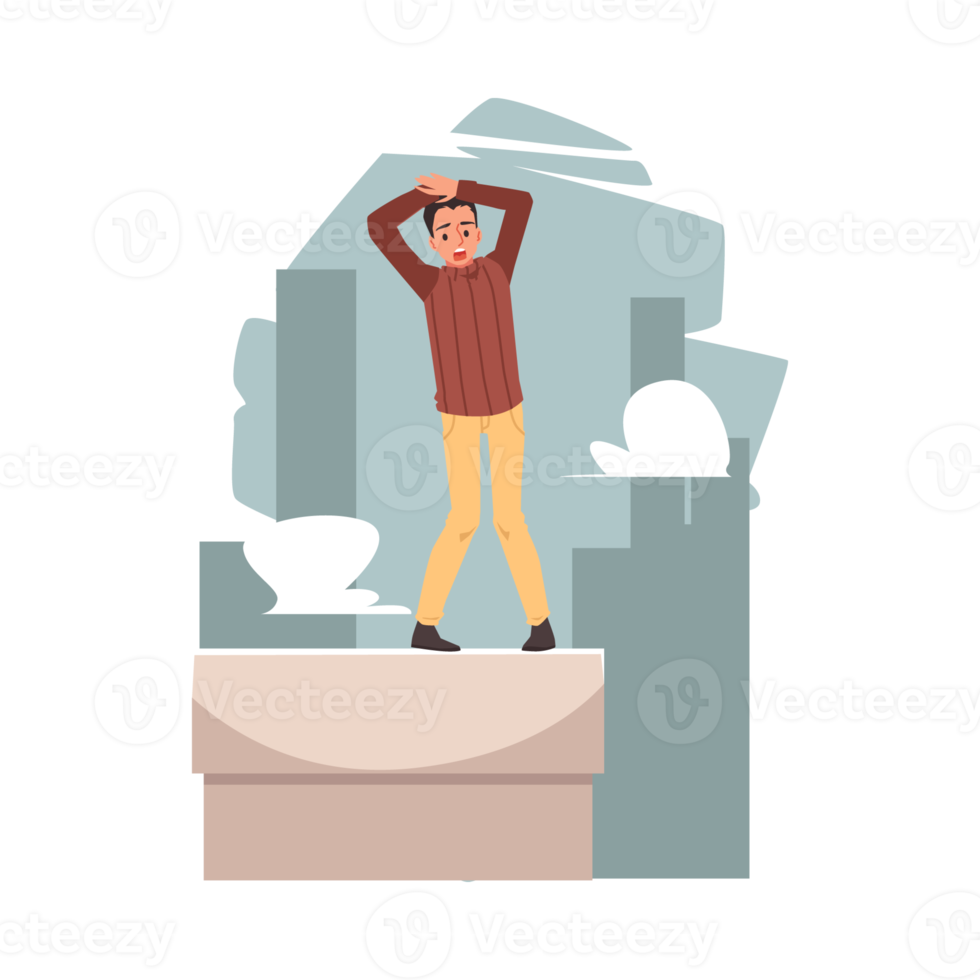
Have you ever felt an overwhelming fear of something that other people seem to find harmless? Perhaps you become extremely anxious around spiders, heights, enclosed spaces, flying, needles, or social situations.
A strong fear like this may sometimes be a phobia.
Phobias can affect people differently. For some, the fear may be manageable because they rarely encounter the trigger. For others, the fear can interfere significantly with everyday life.
Understanding the causes, symptoms, and available treatment options can help reduce confusion and encourage people to seek support when needed.
“The goal isn’t to judge your fear; it is to understand what your fear is trying to tell you.”
What Is a Phobia?
A phobia is an intense and persistent fear or anxiety related to a specific object, situation, or circumstance.
The response can be much stronger than the actual level of danger involved.
For example, a person with a specific phobia of heights may feel intense anxiety even when standing somewhere that is physically secure.
The fear may lead the person to avoid the situation completely.
Common Symptoms of Phobias
Phobias can produce both psychological and physical symptoms.
Emotional symptoms
A person may experience:
- Intense fear
- Anxiety
- Feeling helpless
- Feeling overwhelmed
- Anticipatory anxiety
- A strong need to escape
Physical symptoms
Physical reactions may include:
- Rapid heartbeat
- Sweating
- Trembling
- Dizziness
- Shortness of breath
- Muscle tension
- Nausea
- Feeling light-headed
Some people may also experience panic-like symptoms.
What Causes Phobias?
Phobias can develop for different reasons.
1. A frightening experience
A person may develop a fear after experiencing something frightening.
For example, someone who was bitten by a dog may later develop a strong fear of dogs.
2. Learned behaviour
Fear can sometimes be learned by observing another person’s reaction.
A child who repeatedly sees a parent reacting strongly to a particular animal may become fearful of that animal themselves.
3. Genetics and temperament
Some people may be more sensitive to anxiety or fear responses than others.
4. Stressful experiences
Major life events or difficult experiences can sometimes influence how a person responds to certain situations.
5. No obvious cause
Sometimes a person develops a phobia without remembering a specific event that caused it.
Types of Phobias
Phobias can involve many different triggers.
Examples include:
- Fear of heights
- Fear of flying
- Fear of spiders
- Fear of needles
- Fear of enclosed spaces
- Fear of blood
- Fear of dogs
- Fear of driving
- Fear of social situations
Social anxiety disorder is different from a specific phobia, although both can involve avoidance and intense fear.
How Are Phobias Treated?
Treatment depends on the individual’s symptoms and circumstances.
Cognitive behavioural therapy
CBT can help people identify unhelpful thoughts and develop healthier ways of responding to fear.
Exposure-based approaches
Gradual exposure may help a person become more comfortable with a feared situation over time. This should be planned carefully and carried out appropriately, often with professional guidance.
Relaxation and grounding
Breathing, grounding, and relaxation strategies may help people manage anxiety symptoms.
Professional counselling
Counselling provides an opportunity to explore the fear, understand its impact, and develop personalized coping strategies.
Can Online Counselling Help?
Online counselling can be a useful option for people who want professional mental health support from a familiar environment.
A counsellor can help you explore your fears, understand patterns of avoidance, and work toward appropriate coping strategies.
However, the suitability of online counselling depends on the individual’s needs and the nature and severity of their symptoms.
When Should You Get Help?
Consider seeking professional support when your fear:
- Prevents you from doing important activities
- Causes significant distress
- Leads to persistent avoidance
- Interferes with work or education
- Affects your relationships
- Causes frequent panic or anxiety
A phobia can feel powerful, but it does not have to control every part of your life. Understanding the fear and receiving appropriate professional support can help you work toward greater confidence and flexibility.
“You are not your fear. Your fear is something you experience, understand, and can learn to manage.”