
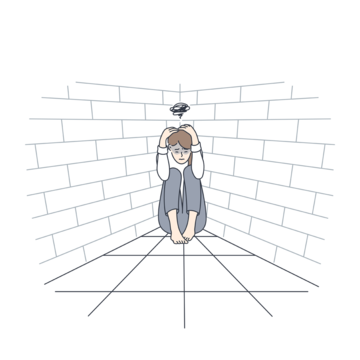
When we experience a significant loss, we often look for an explanation for what we are feeling.
Why am I angry today?
Why do I feel completely numb?
Why was I feeling better yesterday but overwhelmed today?
These questions are common during grief.
The idea of the five stages of grief is widely known and can provide a useful framework for understanding some emotional responses to loss. However, grief is not a fixed process that everyone experiences in the same order.
“Grief moves in waves. Some days are calm, and some days remind you how deeply you cared.”
The Five Commonly Discussed Stages
1. Denial
Denial can involve difficulty accepting the reality of a loss.
A person might feel:
“This doesn’t feel real.”
This response may provide temporary emotional protection when the reality of a loss feels overwhelming.
2. Anger
As reality begins to feel more present, anger may emerge.
Someone might ask:
“Why did this happen?”
Anger can be directed toward circumstances, other people, oneself, or even the person who has died.
Anger is a human emotion and does not make someone a bad person.
3. Bargaining
Bargaining often involves thoughts about alternative outcomes.
A person may repeatedly think:
“If only I had…”
or
“What if I had done something differently?”
These thoughts may reflect the mind’s attempt to understand or regain a sense of control after a loss.
4. Depression or Deep Sadness
Grief can bring periods of profound sadness.
Someone may:
- Cry frequently
- Lose interest in activities
- Feel exhausted
- Withdraw socially
- Struggle to concentrate
- Have difficulty sleeping
Persistent or severe symptoms deserve professional attention because grief and depression can sometimes overlap.
5. Acceptance
Acceptance does not mean being happy about what happened.
It means gradually recognizing the reality of the loss and finding ways to continue living.
A person may still miss someone deeply while beginning to rebuild their daily routine.
Are the Five Stages Always in Order?
No.
This is one of the most important things to understand about grief.
You may experience anger before sadness. You may feel acceptance and then experience a difficult emotional day. You may never experience certain emotions in a strong way.
Grief is not an exam where you have to complete five stages correctly.
Why Can Grief Feel Different Every Day?
Many things can trigger emotions during grief.
A song, photograph, anniversary, conversation, location, or familiar routine can suddenly bring memories back.
This is normal.
Instead of thinking:
“I’m back to the beginning.”
you might remind yourself:
“This is a difficult moment within my grieving process.”
How Can You Support Yourself While Grieving?
Give yourself permission to grieve
There is no need to hide every emotion.
Take care of your body
Try to eat regularly, rest, stay hydrated, and move your body when possible.
Stay connected
Reach out to people who make you feel emotionally safe.
Avoid comparing your grief
Someone else’s timeline is not a measure of your own healing.
Seek professional support
A counsellor can provide a safe space to explore emotions that may feel difficult to process alone.
Grief Counselling
Counselling can help people understand their individual grieving process.
A mental health professional may help you explore:
- Feelings of guilt
- Anger
- Loneliness
- Difficult memories
- Relationship changes
- Fear about the future
- Difficulty adjusting to life after loss
The purpose is not to erase grief but to help you develop ways to live with the changes it has brought.
When to Consider Professional Help
Consider reaching out if your grief is significantly affecting your ability to:
- Work or study
- Maintain relationships
- Sleep or eat
- Care for yourself
- Participate in everyday life
If you are experiencing thoughts of self-harm or suicide, seek immediate professional or emergency support.
The stages of grief can be a useful way to understand some common emotional experiences, but they should never be treated as a strict roadmap.
There is no correct timeline for grief.
Your healing process is personal, and asking for support is completely valid.