
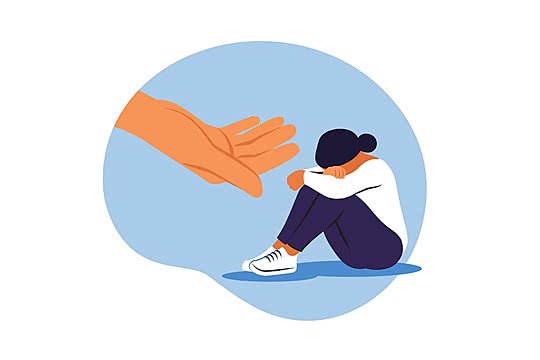
Loneliness can affect anyone.
You may feel lonely after moving away from home, ending a relationship, losing someone important, starting a new job, or going through a major life transition.
Sometimes, loneliness exists even when you regularly interact with other people.
Therapy can help individuals understand these feelings and identify ways to develop stronger emotional and social connections.
“Loneliness is not a failure to connect. It is a signal that connection is important.”
Why Do People Feel Lonely?
Loneliness can have many causes.
Major life changes
Moving to a new city, starting university, changing jobs, or experiencing a relationship change can temporarily reduce social connection.
Relationship difficulties
A person can feel lonely within a relationship when they don’t feel emotionally understood or supported.
Grief and loss
Losing someone important can create a deep sense of absence and disconnection.
Social anxiety
Fear of being judged or embarrassed may make it difficult to initiate or maintain social interactions.
Low self-esteem
Someone who believes they are not interesting, attractive, or worthy may avoid opportunities for connection.
Social isolation
Spending extended periods without meaningful interaction can contribute to loneliness.
How Does Therapy for Loneliness Work?
Therapy begins by understanding your individual experience of loneliness.
A counsellor may ask about:
- Your relationships
- Social experiences
- Family background
- Recent life changes
- Emotional well-being
- Confidence
- Communication
- Experiences of rejection
- Current support system
The goal is not simply to tell someone to “make more friends.”
The deeper goal is to understand what may be preventing meaningful connection.
What Can You Learn in Therapy?
Recognizing emotional patterns
You may discover that you automatically withdraw when you feel rejected.
Building communication skills
You can learn ways to express your thoughts, needs, and feelings more clearly.
Managing social fears
If anxiety is preventing you from connecting with others, therapy can help you develop gradual coping strategies.
Developing self-compassion
You can learn to treat yourself with greater understanding rather than criticizing yourself for feeling lonely.
Creating realistic expectations
Healthy relationships take time.
Therapy can help you understand that meaningful connection doesn’t always happen immediately.
Therapy Does Not Mean Something Is Wrong With You
Seeking therapy for loneliness does not mean you are weak or socially incapable.
People seek counselling at different stages of life and for many different reasons.
Sometimes, therapy simply provides a place to understand yourself better.
When Should You Seek Help?
You may consider therapy when:
- Loneliness is persistent
- You feel disconnected despite being around people
- You avoid social situations
- You struggle to form relationships
- Loneliness affects your confidence
- You experience significant sadness or anxiety
- Your relationships repeatedly follow unhealthy patterns
Online Counselling for Loneliness
Online counselling allows you to speak with a mental health professional without necessarily travelling to a clinic.
Sessions can focus on emotional connection, self-esteem, social confidence, relationships, and coping strategies.
Conclusion
Loneliness doesn’t have to become a permanent part of your life.
Understanding what is contributing to your loneliness can help you take meaningful steps toward connection.