
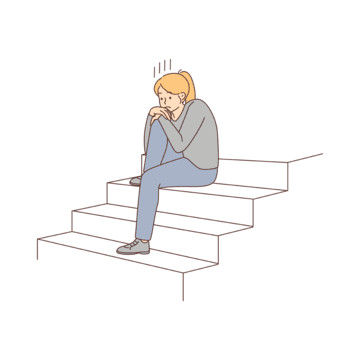
Loneliness is a common human experience, but that does not mean it is always easy to talk about.
A person can feel lonely while living with family, having friends, working with colleagues, or being surrounded by people. Loneliness is not simply about being physically alone. It can also involve feeling emotionally disconnected, misunderstood, or unable to form meaningful connections.
When loneliness continues for a long time, it may affect emotional well-being, confidence, relationships, motivation, and everyday functioning.
Loneliness therapy can provide a safe and supportive space to understand these feelings and work toward healthier connections.
“Feeling lonely does not mean you are unworthy of connection. It means connection matters to you.”
What Is Loneliness?
Loneliness is the feeling of being disconnected from the relationships or social connection you want.
It can occur when:
- You have few meaningful relationships
- You have moved to a new place
- You are going through a breakup
- You have experienced a loss
- You feel misunderstood by people around you
- You find it difficult to trust others
- You spend a lot of time alone
- You are experiencing major life changes
Loneliness is different for everyone.
Can Loneliness Affect Mental Health?
Persistent loneliness can affect emotional well-being.
A person may experience:
- Sadness
- Low motivation
- Overthinking
- Difficulty concentrating
- Low self-confidence
- Social withdrawal
- Feeling disconnected
- Difficulty enjoying activities
- Increased worry about relationships
These experiences do not necessarily mean someone has a mental health disorder, but persistent distress deserves attention.
What Is Loneliness Therapy?
Loneliness therapy is not a specific single type of therapy. It generally refers to professional psychological support for people experiencing loneliness, social disconnection, or difficulties forming and maintaining meaningful relationships.
A mental health professional may help you explore:
- What is contributing to your loneliness
- How you experience relationships
- Your communication patterns
- Fear of rejection
- Self-esteem
- Social anxiety
- Relationship expectations
- Previous experiences of rejection or loss
How Can Therapy Help With Loneliness?
1. Understanding the Root of Loneliness
Therapy can help you explore whether your loneliness is connected to life circumstances, relationship difficulties, social anxiety, grief, low self-esteem, or other concerns.
2. Building Self-Awareness
You may begin recognizing patterns such as withdrawing whenever you feel rejected or avoiding conversations because you expect others to judge you.
3. Developing Social Confidence
If fear makes social interaction difficult, therapy can help you develop strategies for approaching social situations at a manageable pace.
4. Improving Communication
Therapy may help you learn how to express your needs, listen effectively, establish boundaries, and build healthier relationships.
5. Challenging Negative Thoughts
Loneliness can sometimes lead to thoughts such as:
“Nobody wants me around.”
or
“I’ll always be alone.”
Therapy can help you examine these thoughts rather than automatically accepting them as facts.
Online Therapy for Loneliness
Online counselling can provide a convenient way to access professional support from home.
For some people, starting therapy online may feel more comfortable than immediately attending an unfamiliar clinic.
A mental health professional can help determine whether online counselling is suitable for your needs.
When Should You Seek Help?
Consider speaking with a mental health professional if loneliness:
- Continues for a long time
- Is affecting your daily functioning
- Is causing significant emotional distress
- Leads you to withdraw from others
- Is affecting your relationships
- Is accompanied by persistent sadness or hopelessness
If loneliness is accompanied by thoughts of self-harm or suicide, seek immediate crisis or emergency support.
Conclusion
You don’t have to be physically alone to experience loneliness.
If you are feeling disconnected, therapy can provide a supportive space to understand what you are experiencing and explore healthier ways to build connection.
“Sometimes the first step toward connection is finding a safe place where you can finally be heard.”
Online Counselling Support
If loneliness is affecting your emotional well-being, speaking with a qualified mental health professional can help you explore your experiences and develop personalized strategies for coping and connection.