
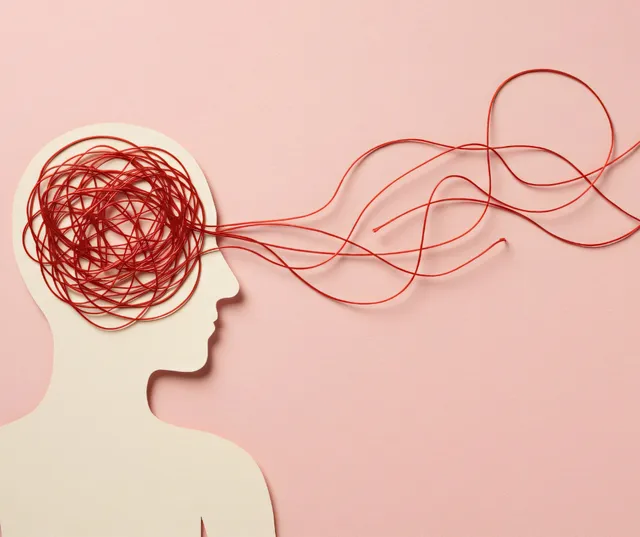
The phrase “panic attack” is commonly used when someone experiences sudden and intense fear. But what does a panic attack actually mean?
Understanding the meaning behind the experience can make it feel less confusing and may help someone recognize when they need support.
Panic Attack Meaning
A panic attack refers to a sudden episode of intense fear or discomfort accompanied by physical and emotional symptoms.
During a panic attack, the body’s alarm system can become highly activated. The person may feel as though something dangerous is happening even when there is no immediate external threat.
Why Does the Body React This Way?
The human body has an automatic system designed to respond to danger.
When the brain perceives a threat, the body can prepare to respond. Heart rate may increase, breathing can change, muscles may tense, and attention becomes focused on potential danger.
During a panic attack, this alarm response can become extremely intense.
What Might a Person Think During a Panic Attack?
Thoughts can include:
- “Something is wrong with me.”
- “I can’t control this.”
- “I need to get out.”
- “Something terrible is going to happen.”
These thoughts can increase fear and make physical sensations feel even stronger.
Does Having a Panic Attack Mean Something Is Wrong With You?
Not necessarily.
A panic attack is an experience, not a sign of personal weakness.
However, recurring panic attacks or ongoing fear about having another attack can significantly affect someone’s daily life. In such situations, professional assessment and support may be beneficial.
What Can Help?
Depending on the individual, helpful approaches may include:
- Understanding panic symptoms
- Learning breathing and grounding techniques
- Identifying triggers
- Challenging fear-based thoughts
- Building healthy routines
- Talking with a mental health professional
Understanding the meaning of a panic attack can help reduce confusion and fear around the experience. If panic is repeatedly affecting your life, online counselling can provide a convenient way to speak with a mental health professional.
“A panic attack is a powerful experience, but it does not define who you are.”