
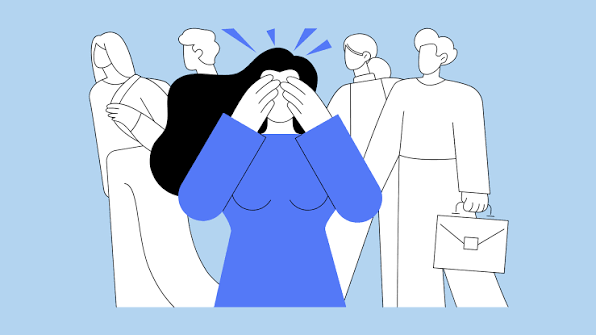
Anxiety and panic attacks are often used interchangeably, but they are not exactly the same.
Both can involve fear, worry, and physical symptoms, but understanding the difference can help you better recognize your experience and seek appropriate support.
What Is Anxiety?
Anxiety is a feeling of worry, nervousness, or fear about a situation or something that may happen in the future.
For example, someone may feel anxious before an exam, job interview, important meeting, or difficult conversation.
Anxiety can last for hours, days, or sometimes longer depending on the situation and individual.
What Is a Panic Attack?
A panic attack is generally more sudden and intense.
A person may experience a rapid increase in fear or discomfort accompanied by physical symptoms such as:
- Racing heart
- Shaking
- Sweating
- Shortness of breath
- Dizziness
- Chest discomfort
- Feeling out of control
A panic attack may occur unexpectedly, although certain situations or triggers can sometimes contribute to it.
Anxiety vs Panic Attack
Anxiety | Panic Attack |
|---|---|
Often develops gradually | Can appear suddenly |
Usually connected to worry or a perceived threat | May occur with or without an obvious trigger |
Can last for an extended period | Often reaches a peak relatively quickly |
Worry is a major feature | Intense fear and physical symptoms can be prominent |
May be mild to severe | Can feel extremely intense |
Can Anxiety Cause Panic Attacks?
For some people, intense anxiety can contribute to panic attacks. However, experiencing anxiety does not automatically mean someone will experience panic attacks.
Everyone responds to stress and fear differently.
How Can Counselling Help?
A mental health counsellor can help you understand:
- Your anxiety patterns
- Possible triggers
- Thoughts that increase fear
- Physical responses to anxiety
- Coping and relaxation strategies
Online counselling can make professional support more accessible from the comfort of your own space.
Anxiety and panic attacks can overlap, but they are different experiences. If fear or anxiety is interfering with your everyday life, professional support can help you understand what you’re experiencing.