
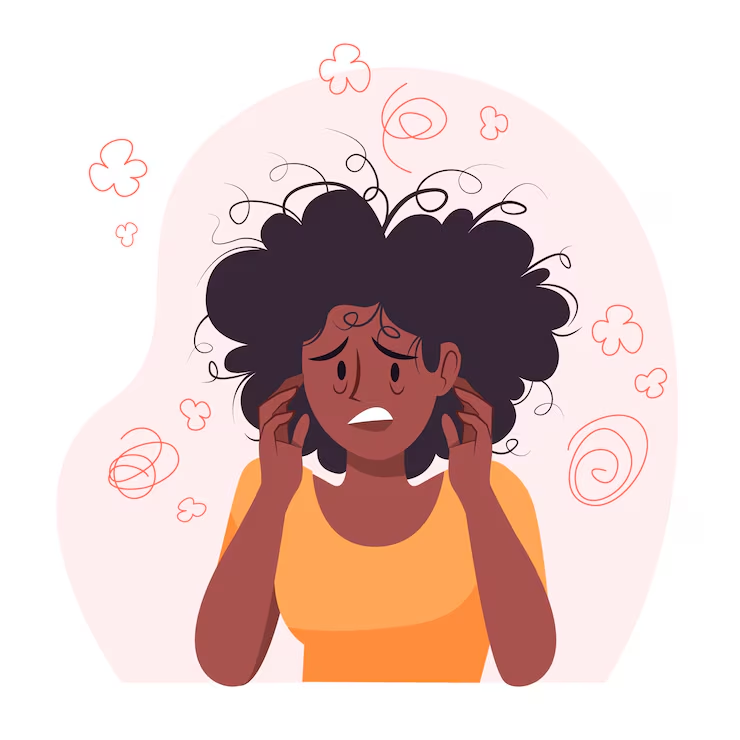
A panic attack can happen suddenly and may make a person feel extremely frightened. Physical symptoms can be so strong that someone may worry they are experiencing a serious medical emergency.
Understanding what panic attacks are, what may contribute to them, and how they can be addressed can help reduce uncertainty.
What Is a Panic Attack?
A panic attack is an episode of intense fear or discomfort that can occur suddenly.
Common symptoms can include:
- Rapid heartbeat
- Sweating
- Trembling
- Shortness of breath
- Dizziness
- Chest discomfort
- Nausea
- Tingling sensations
- Fear of losing control
- Feeling detached from reality
What Causes Panic Attacks?
There isn’t always one single cause.
Possible contributing factors can include:
Stress: Prolonged stress may increase emotional and physical sensitivity.
Life experiences: Difficult or traumatic experiences may influence how someone responds to perceived threats.
Anxiety: Some people experiencing significant anxiety may also experience panic attacks.
Environmental factors: Certain places or situations may become associated with fear.
Individual factors: People’s nervous systems, experiences, coping patterns, and circumstances differ.
Sometimes, panic attacks can occur without an obvious trigger.
How Are Panic Attacks Treated?
Treatment depends on the individual’s needs and should be discussed with an appropriately qualified professional.
Mental health support may involve:
- Psychological counselling
- Understanding panic-related thoughts
- Learning coping strategies
- Relaxation and grounding techniques
- Identifying triggers
- Developing healthier responses to fear
Some people may also require medical evaluation or other treatment.
When Should You Get Professional Help?
Consider seeking professional support if:
- Panic attacks keep happening
- You are constantly worried about another attack
- You avoid certain places because of fear
- Panic is affecting work, education, relationships, or daily activities
Also, because panic symptoms can sometimes resemble symptoms of other medical conditions, new or severe physical symptoms should not automatically be assumed to be a panic attack. Seek appropriate medical care when necessary.
Panic attacks can be frightening, but support is available. Understanding your symptoms and speaking with a mental health professional can help you develop healthier ways of responding to fear and anxiety.
“Getting help is not a sign that you cannot cope. It is a way of learning how to cope differently.”
The graphics are stunning and the gameplay is very engaging. I found some really unique titles here that I haven’t seen anywhere else. Check it out at ad7777game
Just started playing here a week ago and I’m already hooked. The rewards system is very generous. Glad I found vnnohu009 early on.
Registering was so easy, I was in the game within minutes. The welcome bonuses are a great touch for new players. Get started at 567jiliregister