
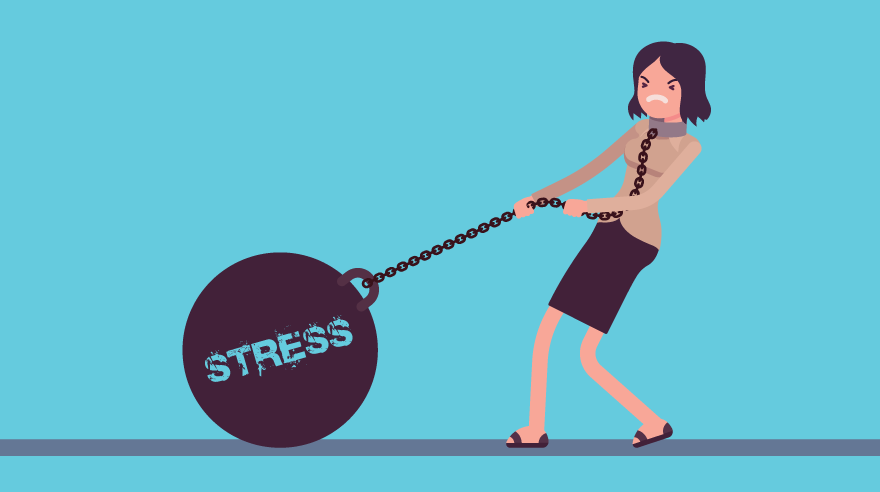
Stress isn’t only an emotional experience. It can also affect the body.
When we experience stress, our body can respond by becoming more alert and prepared to deal with a perceived challenge. This response can be useful in short periods, but persistent stress may contribute to physical discomfort and changes in everyday functioning.
Common Physical Signs of Stress
Physical signs can include:
- Headaches
- Muscle tension
- Fatigue
- Increased heart rate
- Sweating
- Stomach discomfort
- Changes in appetite
- Sleep difficulties
Not everyone experiences the same symptoms.
What Causes Physical Stress?
Physical symptoms can occur when emotional or psychological pressure continues for an extended period.
Possible sources include:
- Work pressure
- Academic stress
- Relationship problems
- Family difficulties
- Financial concerns
- Lack of rest
- Major life changes
How Can You Manage Physical Stress?
Get adequate rest: A consistent sleep routine can support overall well-being.
Stay physically active: Regular movement can be a useful part of stress management.
Practice relaxation: Breathing exercises, mindfulness, and relaxation techniques may help reduce tension.
Maintain healthy routines: Regular meals, hydration, and breaks can support your body during stressful periods.
Talk about your feelings: Sharing your concerns with someone you trust can reduce the feeling of carrying everything alone.
Consider counselling: If stress continues or significantly affects your daily life, professional support can help you understand the emotional and behavioural factors contributing to it.
Important Note
Physical symptoms should not automatically be assumed to be caused by stress. If you experience new, severe, persistent, or concerning physical symptoms, consider speaking with a qualified healthcare professional for appropriate evaluation.
Your mind and body are closely connected. Paying attention to physical signs of stress can help you recognize when you may need rest, support, or professional guidance.