
The end of a relationship can leave you feeling like your entire routine has changed overnight.
One moment, you have someone to share your plans, worries, and everyday experiences with. The next, you may be sitting alone wondering how you are supposed to continue without them.
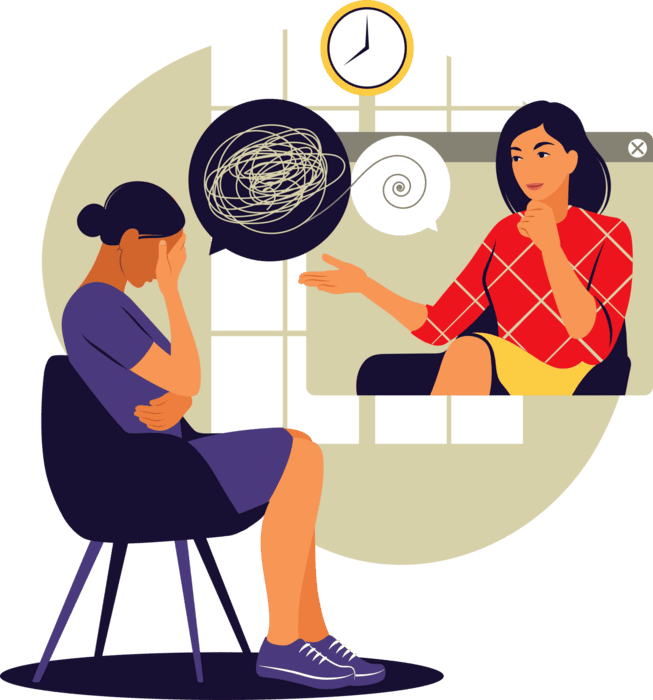
Breakup counseling can help you navigate this difficult period.
When Everything Suddenly Changes
Consider Aarav.
For three years, his relationship had been part of almost every part of his life. They spoke every morning, planned weekends together, and discussed their future.
When the relationship ended, Aarav didn’t just lose his partner. He lost a routine.
His evenings became quiet. He stopped enjoying activities he once loved. He kept checking his phone and wondering whether his ex would contact him.
His friends tried to help, but Aarav felt that nobody really understood what he was experiencing.
He eventually decided to try counseling.
His counselor didn’t tell him to “forget” his ex.
Instead, they worked together to understand what Aarav was feeling and what he needed to move forward.
What Is Breakup Counseling?
Breakup counseling involves professional emotional support for people experiencing difficulties after a relationship ends.
Counseling can help you process the emotional impact of the breakup while developing healthier coping strategies.
Healthy Ways to Cope With a Breakup
Allow Yourself to Feel
You don’t have to pretend that you’re okay.
Sadness, anger, disappointment, confusion, and loneliness can all occur after a breakup.
Allowing yourself to acknowledge these emotions can be healthier than constantly suppressing them.
Maintain Your Daily Routine
A breakup can make you want to stay in bed and withdraw from everything.
Try to maintain basic routines such as eating regularly, sleeping at consistent times, working or studying, and getting some physical activity.
Small routines can provide stability during an emotionally uncertain period.
Be Careful With Social Media
Constantly checking an ex-partner’s profile can make healing harder.
Taking a temporary break from their social media may give you the emotional space you need.
Talk to Supportive People
You don’t have to explain everything to everyone.
Choose people who listen without judging or pressuring you to “move on” before you’re ready.
Don’t Rush Into Another Relationship
A new relationship can sometimes distract from heartbreak, but it doesn’t necessarily resolve the emotions underneath it.
Give yourself time to understand what you need before beginning something new.
How Counseling Can Help
A counselor can help you:
- Understand difficult emotions
- Manage overthinking
- Process relationship loss
- Build healthier coping strategies
- Work through guilt or self-blame
- Improve self-esteem
- Establish healthier boundaries
- Reconnect with your personal goals
When Should You Seek Professional Help?
Consider counseling if your emotions continue to interfere significantly with your everyday life or relationships.
Professional support may be especially useful when you feel unable to cope, experience persistent anxiety or sadness, or struggle to return to normal activities.
Learning to Live Beyond the Relationship
Over time, Aarav began creating routines that belonged to him.
He started meeting friends again, returned to an old hobby, and stopped checking his phone every few minutes.
He still had difficult days.
But he slowly realized that moving forward wasn’t about replacing his ex.
It was about rebuilding himself.
Final Thought
A breakup can change your life, but it doesn’t have to define your future.
With time, support, self-care, and when needed, professional counseling, you can learn to cope with the loss and begin building a new chapter of your life.