
Trust can take years to build, but discovering infidelity can make it feel as though everything has changed in a single moment.
After cheating is discovered, couples may experience anger, sadness, confusion, guilt, fear, and uncertainty about what happens next. Some couples decide to separate, while others want to understand whether their relationship can be repaired.
For couples who want to explore healing together, infidelity counseling can provide a safe place to begin.
When Everything Changed
Ananya and Rohan had been together for several years. They had shared routines, plans, family celebrations, and dreams for the future.
Then Ananya discovered that Rohan had been unfaithful.
At first, she couldn’t believe it.
She kept asking questions, looking for explanations, and wondering whether she had somehow caused the situation.
Rohan felt guilty and wanted to repair the relationship, but he didn’t know how.
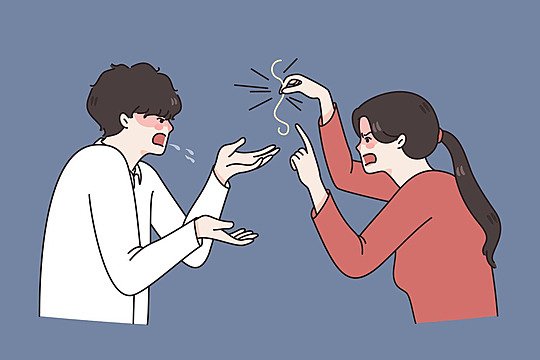
Their conversations quickly turned into arguments.
Ananya wanted answers.
Rohan became defensive.
Both were hurting, but neither knew how to communicate without making things worse.
Eventually, they decided to try online infidelity counseling.
What Is Infidelity Counseling?
Infidelity counseling is a form of professional relationship support that focuses on the emotional and relationship difficulties that can follow cheating.
An online therapist can provide sessions through a secure digital platform, allowing couples to speak with a mental-health professional from home.
The purpose isn’t necessarily to convince a couple to stay together.
Instead, counseling can help partners understand what happened, communicate more effectively, process difficult emotions, and make informed decisions about the future of the relationship.
What Can Couples Work On in Therapy?
Understanding the Impact of the Affair
Infidelity can affect both partners differently.
The betrayed partner may experience insecurity, anger, sadness, or difficulty trusting.
The partner who cheated may experience guilt, shame, regret, or fear of losing the relationship.
Therapy can provide space for both experiences to be explored.
Improving Communication
After cheating, even simple conversations can become emotionally charged.
A therapist can help couples communicate without immediately turning every conversation into an argument.
Rebuilding Trust
Trust usually cannot be restored through promises alone.
It may require honesty, consistency, accountability, boundaries, and time.
Therapy can help couples identify what rebuilding trust would realistically look like for them.
Understanding Relationship Patterns
Counseling may also explore relationship patterns that existed before the infidelity.
Understanding these patterns doesn’t excuse cheating. It can simply help couples understand their relationship more clearly.
Can Online Therapy Help?
Online therapy can make professional support more accessible for couples who have difficulty attending an office together.
Partners can often participate from their own home while speaking with a therapist through video sessions.
For some couples, the familiar environment of home can also make difficult conversations feel more manageable.
Healing Doesn’t Have to Mean Forgetting
During therapy, Ananya realized that healing didn’t mean pretending the betrayal had never happened.
Rohan also learned that saying “I’m sorry” was only the beginning.
They began working on honest communication, boundaries, and rebuilding emotional safety.
They still had difficult conversations.
But slowly, the conversations became less about winning an argument and more about understanding what they both needed.
Final Thought
Infidelity can deeply affect a relationship, but couples do not have to make every decision immediately.
Whether you ultimately choose to rebuild the relationship or move in a different direction, professional support can help you process the experience and make decisions with greater clarity.
Online infidelity counseling can provide a private and convenient space to begin that process.