
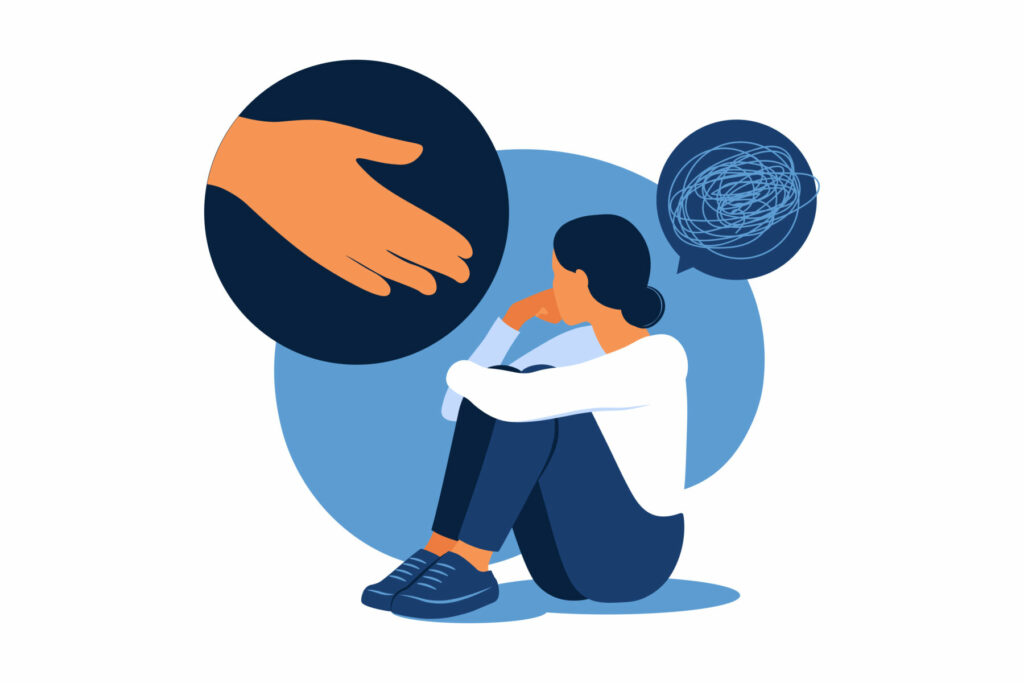
Anxiety is a natural emotional response that everyone experiences from time to time. Feeling nervous before an interview, worrying about an important decision, or feeling tense before an examination can all be normal reactions. However, when anxiety becomes frequent, intense, or difficult to control, it can begin to affect everyday life.
Anxiety can influence a person’s thoughts, emotions, physical health, relationships, work, studies, and sleep. Understanding its symptoms, possible causes, and available treatment options can be an important first step toward managing it.
What Is Anxiety?
Anxiety is a feeling of fear, worry, nervousness, or uneasiness that often develops when a person anticipates a possible problem or threat.
A certain amount of anxiety can actually be useful. It may help us stay alert, prepare for challenges, and respond quickly when something feels unsafe. The concern arises when the feeling continues even when there is no immediate danger or becomes so overwhelming that normal activities become difficult.
Anxiety is not simply “overthinking.” It can involve both mental and physical reactions, and its intensity can vary from person to person.
Common Symptoms of Anxiety
Anxiety can appear differently in different people. Some people mainly experience excessive worry, while others notice physical symptoms.
Emotional and Mental Symptoms
Common psychological symptoms may include:
-
- Constant or excessive worrying
-
- Feeling restless or unable to relax
-
- Difficulty concentrating
-
- Expecting something bad to happen
-
- Feeling overwhelmed by everyday situations
-
- Irritability or frustration
-
- Difficulty controlling worrying thoughts
-
- Feeling nervous or constantly “on edge”
Physical Symptoms
Anxiety can also activate the body’s stress response. Physical symptoms may include:
-
- Increased heartbeat
-
- Sweating
-
- Trembling or shaking
-
- Muscle tension
-
- Headaches
-
- Feeling tired or weak
-
- Difficulty sleeping
-
- Stomach discomfort
-
- Rapid breathing
-
- Feeling dizzy or light-headed
Not everyone experiences the same symptoms. Some people may have mostly emotional symptoms, while others notice physical changes more strongly.
What Causes Anxiety?
There is usually no single reason why someone develops an anxiety disorder. Anxiety can be influenced by several factors working together.
1. Stressful Life Events
Major changes or difficult experiences can increase anxiety. These may include problems at work or school, financial pressure, relationship difficulties, loss, or major changes in daily life.
2. Genetics and Family History
Some people may have a greater vulnerability to anxiety because of genetic or family-related factors. Having a family history of anxiety does not mean that someone will definitely develop it, but it may increase the likelihood.
3. Brain and Biological Factors
The brain uses several chemical and neurological systems to regulate emotions and responses to stress. Differences in these systems may contribute to anxiety in some individuals.
4. Personality and Thinking Patterns
People who frequently anticipate negative outcomes, have difficulty dealing with uncertainty, or are highly self-critical may be more vulnerable to persistent anxiety.
5. Lifestyle Factors
Poor sleep, prolonged stress, lack of physical activity, and excessive consumption of caffeine or other stimulants may make anxiety symptoms harder to manage for some people.
6. Other Mental or Physical Conditions
Anxiety symptoms can sometimes occur alongside other mental health conditions or certain physical health problems. Because symptoms can overlap, professional assessment can help determine what is happening.
Different Types of Anxiety Disorders
“Anxiety” is a broad term that includes several conditions. Some commonly recognized anxiety disorders include:
Generalized Anxiety Disorder
A person experiences excessive and persistent worry about multiple areas of life, often finding it difficult to control the worrying.
Panic Disorder
This involves repeated panic attacks, which can cause sudden and intense fear along with physical symptoms such as a racing heart, sweating, shaking, or shortness of breath.
Social Anxiety Disorder
People with social anxiety may experience intense fear or worry about being judged, embarrassed, rejected, or negatively evaluated in social situations.
Specific Phobias
A specific phobia involves an intense fear related to a particular object or situation, such as certain animals, heights, or enclosed spaces.
Different anxiety disorders can have different symptoms and treatment approaches, so professional evaluation is important.
How Does Anxiety Affect Daily Life?
Persistent anxiety can interfere with many areas of life.
A person may avoid social situations, struggle to concentrate at work or school, have difficulty sleeping, or constantly seek reassurance from others. Everyday decisions may also feel unusually difficult.
Over time, avoiding situations because of anxiety can sometimes reinforce the fear. This may create a cycle in which worry leads to avoidance, avoidance provides temporary relief, and the anxiety returns when a similar situation appears again.
Recognizing this pattern can help a person seek appropriate support.
Treatment for Anxiety
Anxiety is treatable, and the most appropriate treatment depends on the individual’s symptoms, severity, circumstances, and overall health.
1. Psychotherapy
Psychotherapy, often called talk therapy, can help people understand anxious thoughts and develop healthier ways of responding to them.
Cognitive behavioral therapy (CBT) is one commonly used approach. It focuses on identifying unhelpful thought patterns and gradually developing more balanced ways of thinking and behaving.
Other therapeutic approaches may also be appropriate depending on the person’s needs.
2. Medication
In some situations, a healthcare professional may recommend medication to help manage anxiety symptoms.
Medication should only be taken under the guidance of a qualified healthcare professional. The type of medication, dosage, benefits, and possible side effects need to be considered individually.
3. Lifestyle Changes
Healthy daily habits can support emotional well-being. Helpful practices may include:
-
- Maintaining a regular sleep routine
-
- Staying physically active
-
- Eating regular, balanced meals
-
- Reducing excessive caffeine if it worsens symptoms
-
- Taking breaks during stressful periods
-
- Spending time with supportive people
-
- Practicing relaxation or breathing exercises
Lifestyle changes may help manage symptoms, but they should not be considered a replacement for professional treatment when anxiety is severe or persistent.
Simple Ways to Manage Anxiety in Everyday Life
When anxiety begins to rise, small actions can sometimes help reduce the immediate intensity.
Focus on the Present
Instead of trying to solve every possible future problem at once, bring your attention back to what is happening right now.
Try Slow Breathing
Slow, comfortable breathing can encourage the body to move away from a heightened stress response. Avoid forcing extremely deep breaths; focus instead on breathing gently and steadily.
Challenge Anxious Thoughts
Ask yourself:
-
- What exactly am I worried about?
-
- Is there evidence supporting this fear?
-
- Am I assuming the worst possible outcome?
-
- What would I tell a friend experiencing the same worry?
This can help create some distance from automatic negative thoughts.
Maintain a Routine
A predictable routine involving sleep, meals, work or study, movement, and relaxation can provide structure during stressful periods.
Talk to Someone
Sharing your feelings with a trusted person can reduce the sense of dealing with everything alone. If anxiety continues to interfere with daily life, speaking with a mental health professional may provide more appropriate support.
When Should You Seek Professional Help?
Occasional anxiety is normal. However, consider seeking professional support when anxiety:
-
- Happens frequently or feels difficult to control
-
- Interferes with work, education, relationships, or daily activities
-
- Causes persistent sleep problems
-
- Leads to significant avoidance
-
- Causes repeated panic attacks
-
- Continues despite attempts to manage it yourself
-
- Makes everyday life feel increasingly difficult
You do not have to wait until anxiety becomes overwhelming before asking for help.
Anxiety Is Treatable
Living with persistent anxiety can feel exhausting, but experiencing anxiety does not mean that a person is weak or incapable. Anxiety is a genuine psychological and physical response, and effective treatments are available.
The first step may simply be recognizing what you are experiencing and talking to someone you trust or a qualified mental health professional.
With appropriate support, therapy, healthy habits, and—when needed—medical treatment, many people learn to manage anxiety and regain confidence in their everyday lives.
Frequently Asked Questions
Is anxiety normal?
Yes. Occasional anxiety is a normal human emotion. It becomes a concern when it is excessive, persistent, difficult to control, or significantly interferes with daily life.
Can anxiety go away on its own?
Some short-term anxiety may improve when a stressful situation ends. Persistent or severe anxiety may require professional support and should not be ignored.
Can anxiety affect sleep?
Yes. Repeated worrying and physical tension can make it difficult to fall asleep, stay asleep, or feel rested.
Can anxiety be treated?
Yes. Treatment may include psychotherapy, lifestyle changes, medication when appropriate, or a combination of approaches.
Is anxiety the same for everyone?
No. Anxiety can affect people differently. One person may experience constant worrying, while another may experience panic symptoms, avoidance, physical tension, or sleep difficulties.
Final Thoughts
Anxiety is more than simply feeling worried. When fear and worry become persistent and begin interfering with everyday life, they deserve attention and support.
Learning to recognize the symptoms, understanding possible contributing factors, and seeking appropriate treatment can make anxiety more manageable. If anxiety is affecting your daily life, reaching out for professional support can be a meaningful step toward feeling better.